
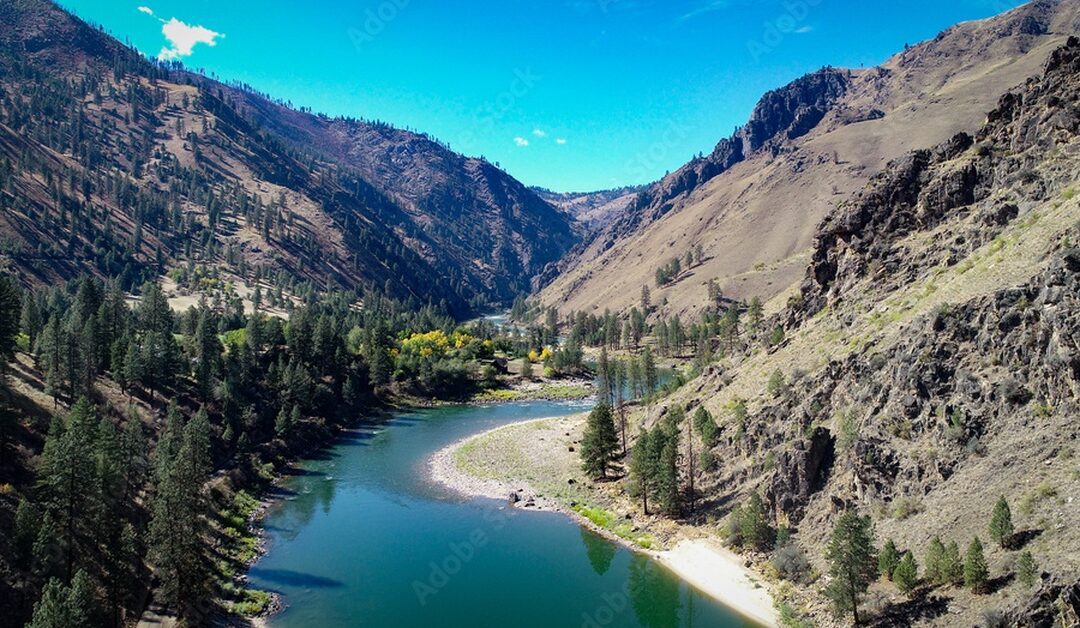
Seasonal changes across Hells Canyon reshape the landscape in ways that directly influence how and where photographers head for some of the best photos. Light shifts, water levels rise or fall, and vegetation cycles through distinct phases, all of which affect composition and visibility. Because of these transitions, the same location can produce entirely different results depending on timing and positioning.
Understanding Hells Canyon photography hotspots by season means recognizing how these environmental changes interact, especially in areas where access and perspective shift throughout the year.
Spring Light and River Movement
Spring brings higher water levels driven by snowmelt, which expands the river’s surface and increases reflected light across canyon walls. This added brightness creates softer tones in the morning, while afternoon conditions can appear more intense due to glare off moving water. Elevated viewpoints tend to provide better balance, since they capture both flow and surrounding terrain without overexposing reflective surfaces.
Summer Contrast and Access Points
As water levels drop, more shoreline becomes visible, opening additional angles that were not accessible earlier in the year. The canyon takes on stronger contrast during summer, with bright skies and dry terrain creating deeper shadows. Early morning or late evening light produces more dimension across rock formations, while mid-day conditions require more careful positioning to avoid overly harsh highlights.
Fall Color and Layered Depth
Fall introduces gradual color changes that move through the canyon based on elevation, adding variation to otherwise rugged terrain. Shorter daylight hours stretch shadows across the landscape, which enhances texture and depth within compositions. Reflections along calmer stretches of the river add another layer of interest, particularly when color concentrates near the shoreline.
Winter Atmosphere and Visibility
Winter conditions shift the focus away from color and toward atmosphere, as cooler temperatures and reduced activity create a quieter visual environment. Snow may appear along higher elevations, while lower sections remain exposed, forming contrast between layers of terrain. Occasional fog or low cloud cover softens the scene, which changes how depth and detail appear in photos.
Capturing the Canyon Through Seasonal Change
Each season presents a different version of the canyon, shaped by light, water, and terrain that continue to shift throughout the year. Planning around these changes allows for more intentional composition, whether focusing on contrast, color, or atmosphere.
For those looking to reach less accessible viewpoints, River Adventures Inc provides access to remote stretches of the river where perspectives change with every bend. Many of these routes are part of the best Hells Canyon jet boat tours, which move through sections of the canyon that are otherwise difficult to approach on foot. Experiencing Hells Canyon photography hotspots by season from the water offers a closer view of how these conditions unfold across the landscape.
Recent Comments