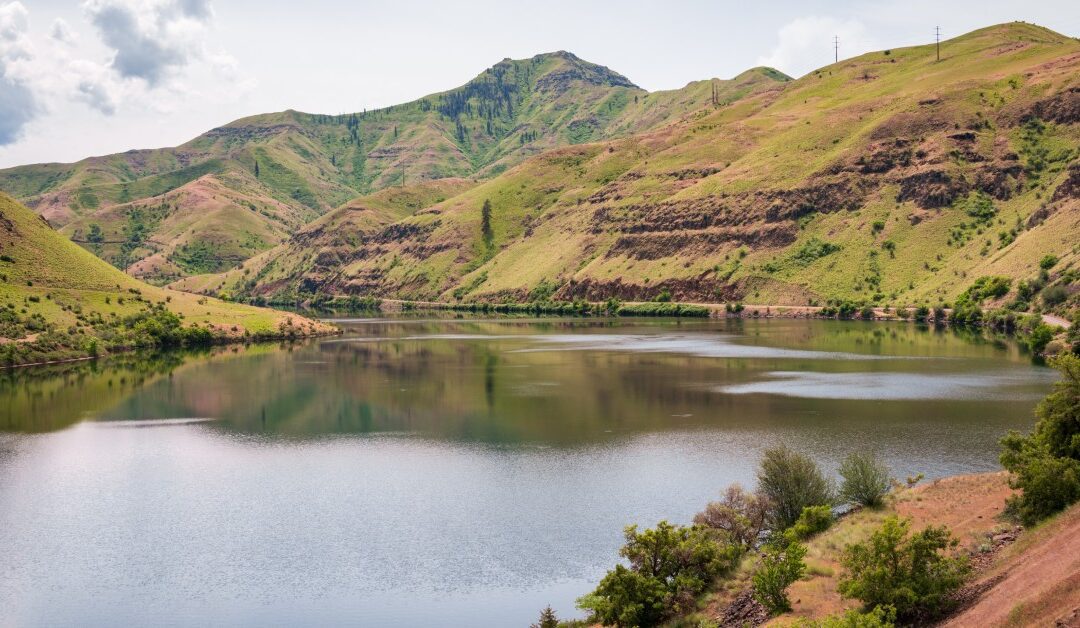
Witness ancient civilizations, epic journeys, and bold feats of engineering, all while carving through breathtaking canyons in the American West. The Snake River is a scenic wonder with banks lined with relics waiting to spark your imagination.
Quench your craving for adventure and discovery by seeing remarkable petroglyphs and iconic pioneer crossings along the Snake River, revealing a fascinating chapter of history. Let’s journey down its winding path and uncover the extraordinary historic sites on the Snake River that make it truly legendary.
Sites Right on the Riverbanks
These incredible locations sit directly along the Snake River, offering a direct connection to the past.
Hells Canyon National Recreation Area
This is our backyard! Hells Canyon is North America’s deepest river gorge and what many consider an open-air museum. As our jet boats navigate the powerful rapids, you’ll travel through a landscape that has been home to diverse groups of people for millennia.
Keep an eye out for petroglyphs and pictographs left by the Nez Perce and their ancestors. You can also spot remnants of old homesteads and mining operations from the late 19th and early 20th centuries, when hardy prospectors and ranchers tried to tame this wild country. Every tour is a thrilling ride through both nature and history.
Kirkwood Historic Ranch
Nestled deep in Hells Canyon along the banks of the Snake River, Kirkwood Historic Ranch offers a glimpse into frontier life in one of America’s most remote landscapes. Once the home of rancher Len Jordan, who later became Idaho’s governor, the ranch served as a working cattle operation beginning in the 1930s.
Today, its restored buildings, interpretive displays, and breathtaking surroundings invite visitors to imagine the challenges and adventures faced by families who called this rugged canyon home. It’s the perfect spot to pause, stretch your legs, and connect with the stories woven into the wild tapestry of Hells Canyon.
Nez Perce National Historical Park
The story of the Snake River is inseparable from the story of the Nez Perce (Nimiipuu) people. This unique park is not one single location but a collection of 38 sites spread across four states, many of which are near the Snake River in Idaho. These sites preserve the culture, history, and legacy of the Nez Perce, from ancient village locations to battlefields from the Nez Perce War of 1877. Visiting these places offers a profound perspective on the deep connection between the people and the land they have inhabited for centuries.
Fort Boise (Near Parma, Idaho)
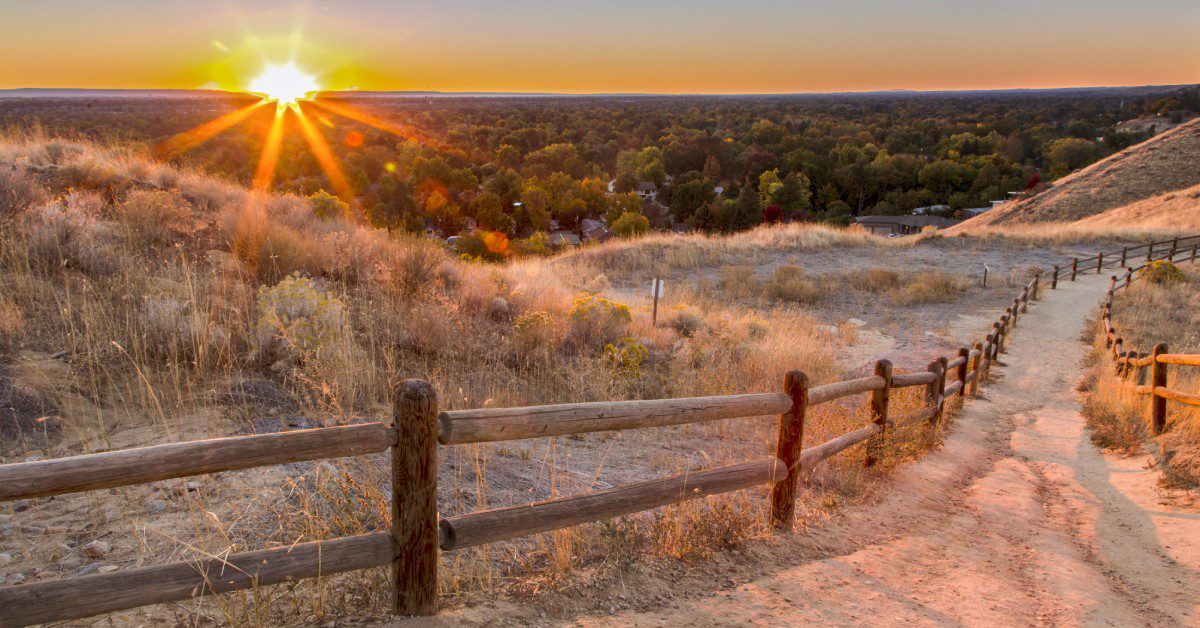
Imagine the rumble of wagon wheels and the excitement of reaching a vital outpost in the vast wilderness. That was the scene at Fort Boise. Originally a Hudson’s Bay Company trading post in the 1830s, it was a primary stop for weary travelers on the Oregon Trail.
Located near the confluence of the Boise and Snake Rivers, the fort was a hub of activity. While the original structure is long gone, the commemorated site near Parma reminds us of the fur trappers and pioneers who relied on the river to survive and build a new future.
Three Island Crossing State Park
Crossing the Snake River was one of the most dangerous and daunting challenges for pioneers on the Oregon Trail. At what is now Three Island Crossing State Park, a series of gravel bars made the crossing possible, though still risky. You can almost hear the shouts of encouragement and feel the tension as wagon trains braved the current. The park features an excellent interpretive center that brings the pioneer experience to life, making it a must-see for anyone fascinated by the Oregon Trail.
Massacre Rocks State Park
The “Massacre Rocks” name comes from the fears of emigrants who worried the narrow passage and large boulders along the river would be a perfect spot for an ambush. While the feared large-scale attack never happened here, the name stuck.
Today, Massacre Rocks State Park is a fantastic place to see history up close. You can find actual wagon ruts carved into the landscape and spot signatures of pioneers written in axle grease on Register Rock. It’s a tangible link to the thousands who passed through on their westward journey.
Shoshone Falls
Get ready for a jaw-dropping sight! Known as the “Niagara of the West,” Shoshone Falls is a thunderous cascade that’s even taller than its famous eastern counterpart.
For centuries, these falls were a top fishing and gathering place for Native American tribes. For pioneers, they were a spectacular and sometimes intimidating landmark along the trail. Today, Shoshone Falls is a breathtaking spectacle and a powerful reminder of the raw, natural beauty that has defined the Snake River for ages.
Ice Harbor Dam
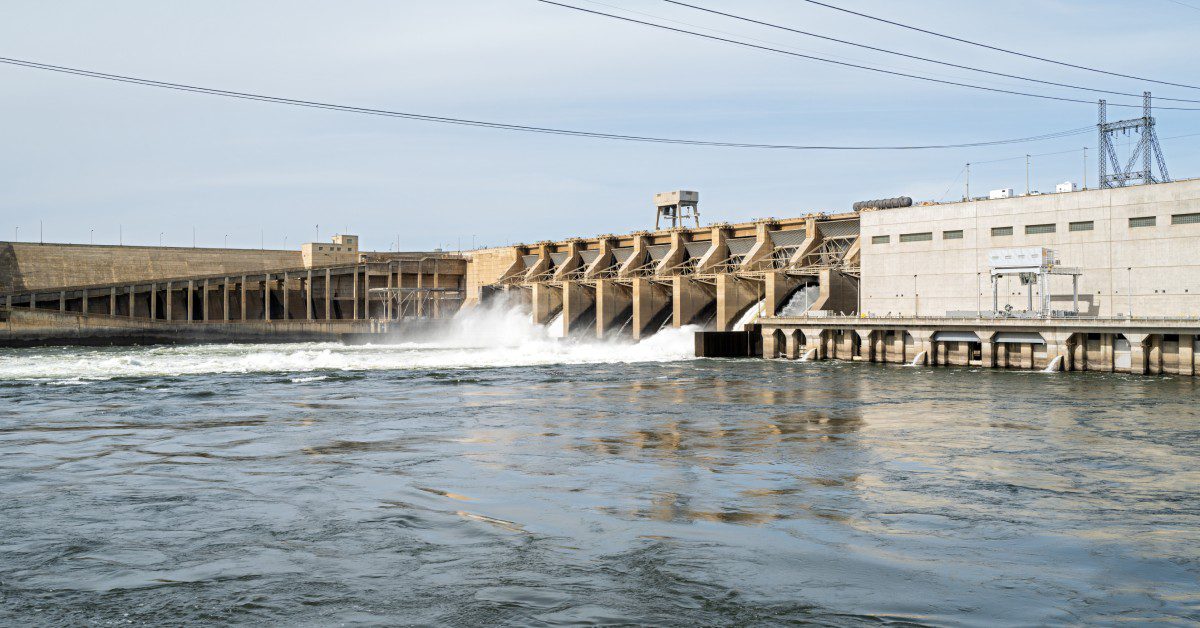
Jumping forward in time, the Ice Harbor Dam in Washington represents a more modern chapter in the river’s story. Completed in 1961, this dam is a feat of engineering that provides hydroelectric power and aids in navigation. While it changed the river’s flow, it also highlights humanity’s ongoing relationship with the Snake River, harnessing its power to support the region’s growth. It’s a testament to the river’s continuing importance in the modern world.
Remarkable History Near the River
These next two sites aren’t directly on the Snake River, but their stories are deeply intertwined with the region’s history and are well worth a visit.
Minidoka National Historic Site
This powerful and solemn site tells a story of injustice and resilience. Located near the Snake River, Minidoka held over 120,000 Japanese Americans captive during World War II. The site now serves as a memorial and educational center, preserving the history of those who were unjustly imprisoned. A visit to Minidoka is a moving experience that encourages reflection on civil liberties and the importance of remembering all parts of our nation’s history.
Celilo Falls (Historic Site)
Though now submerged beneath the waters of The Dalles Dam on the Columbia River, the story of Celilo Falls is essential to the region. For over 15,000 years, this was one of the most significant fishing and trading centers in North America. Generations of Native Americans gathered at the falls to harvest salmon. Since the Snake River is a major tributary of the Columbia, the cultures and economies of both rivers were deeply connected. Remembering Celilo Falls honors a way of life that revolved around the great rivers of the Pacific Northwest.
Come Experience the River’s Story for Yourself!
From ancient art to pioneer wagon ruts and modern engineering, the historic sites on the Snake River corridor have an incredible history. Reading about it is one thing, but experiencing it from the water is something else entirely.
Join us at River Adventures Inc. for Snake River boat tours and feel history come alive around you. You’ll experience the thrill of the ride and gain a deeper appreciation for the stories this magnificent river has to tell. Book your adventure today and become part of the river’s ongoing story!
Recent Comments