[BANNER]
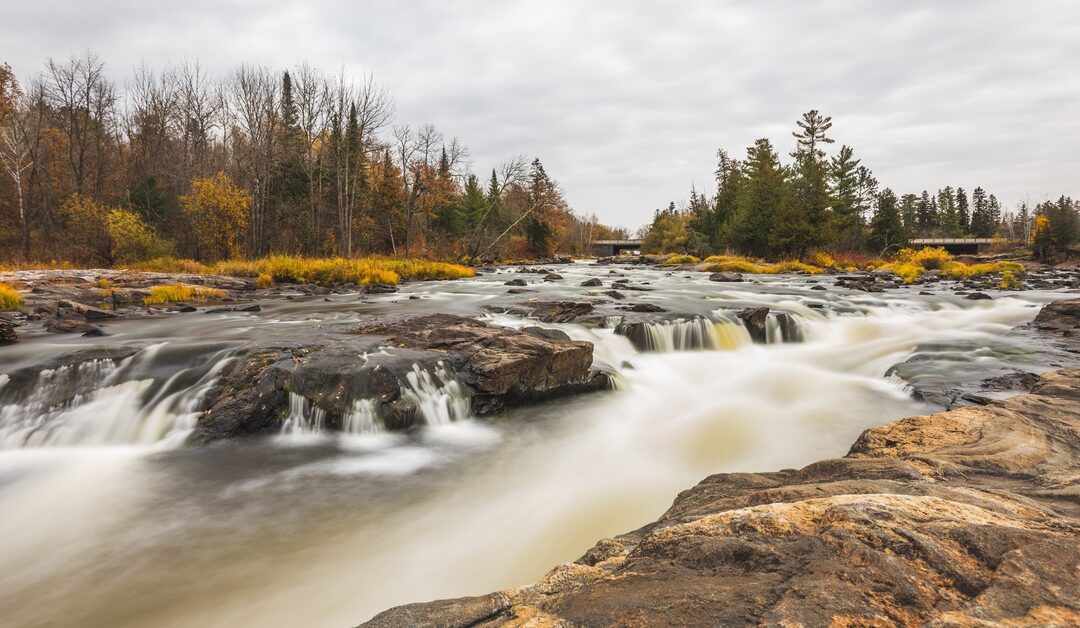
Photographing rapids delivers an unmatched combination of adrenaline and natural beauty. Fast-moving water creates dramatic compositions, but it also introduces serious risks. You must approach every shot with safety as your top priority rather than chasing the perfect angle. A well-planned approach allows you to capture stunning images without putting yourself in danger.
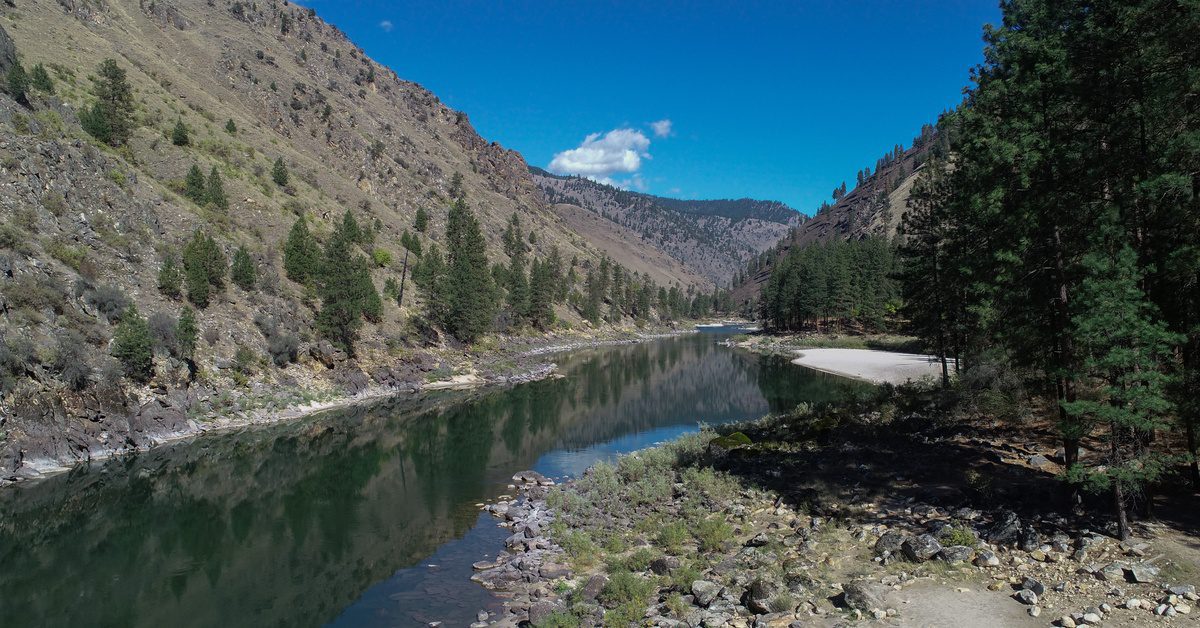
Rivers like the Salmon offer constantly changing conditions that demand awareness and preparation. Water levels, currents, and weather patterns can shift quickly throughout the day. You need to stay alert and adapt your positioning as conditions evolve. Professional guides and experienced outfitters often provide the safest opportunities to capture these dynamic environments.
Understand River Conditions Before You Shoot
You should always evaluate river conditions before setting up your camera. Rapids vary in intensity depending on water flow, recent weather, and seasonal changes. High water levels increase speed and force, which makes footing near the shoreline more dangerous. Lower water levels may expose rocks but still create unpredictable currents.
Take time to observe the water’s movement before stepping into position. Watch how waves break, where currents converge, and where debris collects. These visual cues help you identify safe vantage points and compelling photographic compositions. You gain better results when you combine situational awareness with creative intent.
Choose the Right Gear for Rapids Photography
Your gear must handle moisture and rapid environmental changes. Waterproof or weather-sealed cameras provide a strong advantage in these conditions. You should also use protective housing or dry bags to prevent water damage during transport. A sturdy strap keeps your camera secure when you move across uneven terrain.
Lens selection plays a major role in how you capture rapids. Wide-angle lenses allow you to emphasize movement and scale, while telephoto lenses help you shoot from a safer distance. Tripods can stabilize your shots, but you must place them carefully on stable ground. Every piece of equipment should support safety and creative flexibility.
Position Yourself for Safety and Better Angles
Your position determines the quality of your images and your level of risk. You should never stand too close to the water’s edge, especially near strong currents or slippery rocks. Elevated viewpoints often provide safer and more dynamic perspectives. You can capture the full scope of the rapids without exposing yourself to unnecessary hazards.
Always maintain a clear escape route when working near water. Avoid areas where rising water or sudden splashes could trap you. You should also keep a safe distance from other photographers or spectators to prevent accidental collisions. Smart positioning allows you to focus on composition without compromising safety.
Essential Safety Tips Every Photographer Should Follow
Safety must remain your top priority when photographing rapids. Even experienced photographers face risks when they underestimate water power and terrain challenges. You should prepare thoroughly before heading out and follow proven safety practices. These habits protect you and your equipment during your shoot:
- Wear nonslip, water-resistant footwear for better traction.
- Use a waterproof bag or case to protect your gear.
- Keep a safe distance from fast-moving water at all times.
- Avoid climbing on wet or unstable rocks.
- Monitor weather conditions and rising water levels.
- Shoot with a partner or guide whenever possible.
- Carry a first aid kit and emergency communication device.
These precautions help you stay prepared for unexpected situations. You can focus on capturing powerful images when you minimize preventable risks.
Capture Motion and Energy in Rapids
Great rapids photography captures the movement and force of water in a compelling way. You can use fast shutter speeds to freeze splashes and highlight detail in crashing waves. Slower shutter speeds create a smooth, flowing effect that emphasizes motion and contrast. Each approach offers a different perspective on the same scene.
Lighting also plays a crucial role in shaping your final image. Early morning and late afternoon provide softer light that enhances texture and depth. Bright midday sun can create harsh reflections, so you may need filters to control glare. You should also experiment with different settings to find the balance that best represents the scene.
Why Guided Experiences Improve Safety and Results
Guided river experiences offer a safer and more rewarding way to photograph rapids. Professional guides understand the river’s behavior and know where to position guests for the best views. They also handle navigation, which allows you to focus entirely on your photography. This combination creates a more relaxed and productive experience.
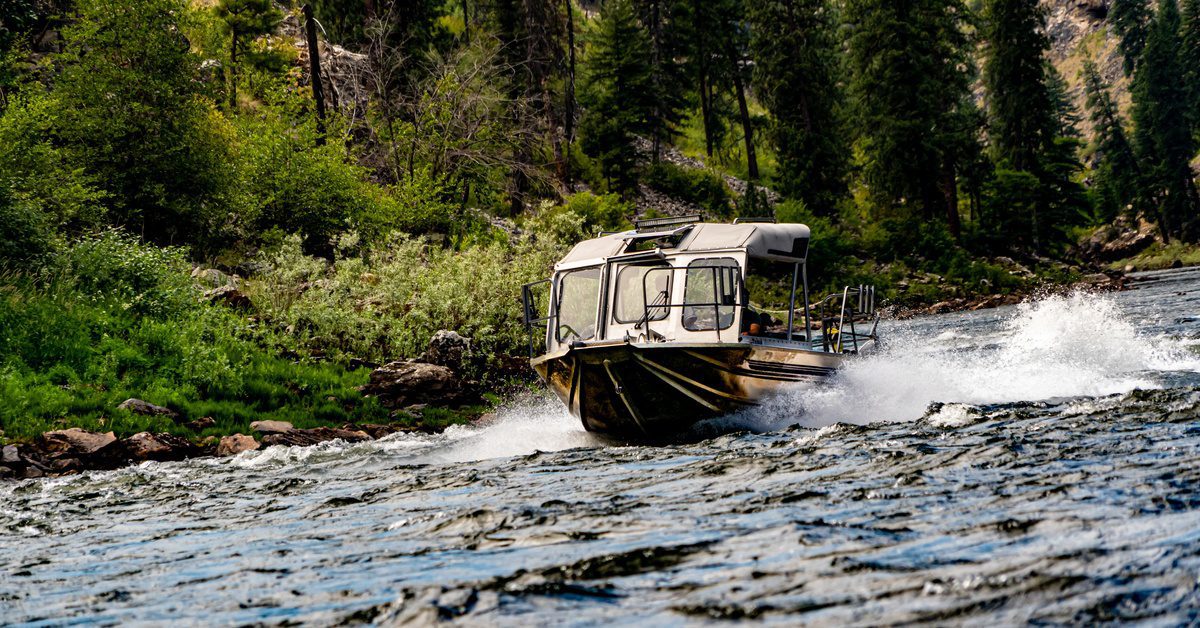
River Adventures provides expertly guided trips that blend excitement with education. Their team shares insights about the landscape, wildlife, and history of the Salmon River region. Guests can capture incredible moments while learning from professionals who prioritize safety. Our Salmon River jet boat tours create ideal opportunities to photograph rapids from unique and controlled vantage points.
Plan Your Rapids Photography Adventure
A successful photography trip starts with thoughtful planning. You should research your location, check weather forecasts, and understand access points before you arrive. Packing the right gear and safety equipment ensures that you stay prepared for changing conditions. You also need to consider timing, as lighting and water levels influence your results.
Booking with an experienced outfitter like River Adventures adds another layer of confidence to your plan. River Adventures offers structured tours that include expert guidance and access to remote areas. You can explore the Salmon River’s most scenic sections without worrying about logistics or navigation. Our approach allows you to focus fully on capturing unforgettable images.
Respect Nature While Capturing the Perfect Shot
Responsible photography protects the environment and your long-term access to these locations. You should avoid disturbing wildlife or damaging vegetation while setting up your shots. Staying on designated paths can preserve the natural landscape for future visitors. Ethical practices ensure that these beautiful areas remain intact.
You also need to respect the power of the river itself. Rapids demand humility and awareness from everyone who approaches them. You create a better experience for yourself and others when you prioritize safety and environmental responsibility. This mindset allows you to capture powerful images while honoring the natural world. These best practices for photographing rapids safely should help you prepare for the journey of a lifetime. Book with River Adventures to get started.
Recent Comments