
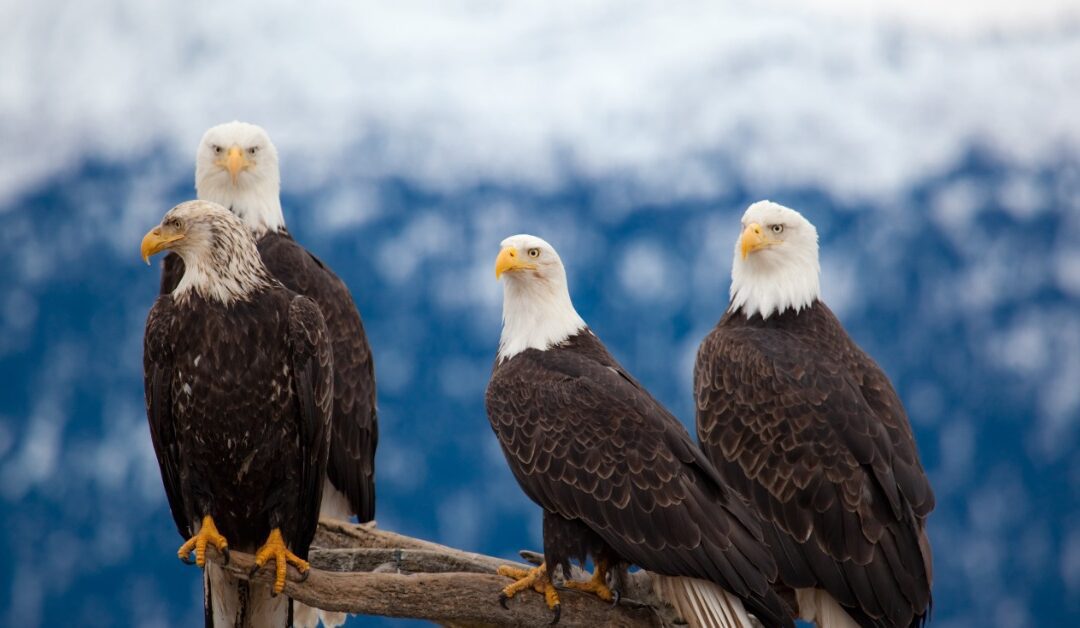
Bald eagles remain one of the most recognizable wildlife species found throughout the Pacific Northwest. Along Idaho’s Snake River, these birds of prey take advantage of abundant fish populations, open water corridors, and elevated nesting areas that support year-round activity. When spotting bald eagles along the Snake River, turn your attention to where and when sightings are most likely to happen by learning about the behaviors that make these encounters easier to recognize.
While eagle sightings can happen at any time, seasonal patterns, river conditions, and habitat features all influence visibility. Understanding how these elements come together allows visitors to approach the experience with more awareness, especially when traveling through remote canyon environments.
Why Bald Eagles Thrive in Canyon River Systems
Canyon environments provide a combination of food sources, nesting locations, and minimal human disturbance that supports healthy eagle populations. Steep cliff faces offer ideal vantage points, while tall trees along the riverbanks create secure nesting and perching areas. At the same time, consistent fish availability makes rivers, like the Snake River, a reliable feeding ground.
Because these conditions remain relatively stable throughout the year, eagles tend to return to the same general areas. Which increases the likelihood of repeated sightings in specific sections of the river.
Best Seasons for Bald Eagle Sightings
Although birdwatchers can see bald eagles year-round, certain seasons create more predictable viewing opportunities. Winter brings higher concentrations as birds gather near open water where fish remain accessible, especially in sections where river flow prevents freezing. During colder months, sightings may include multiple eagles in a single area.
Spring introduces a different pattern, as nesting activity increases, and pairs become more territorial. While sightings may be more spread out, observing nesting behavior and flight patterns can offer a more detailed look at how eagles interact with their environment.
Winter Congregation Patterns
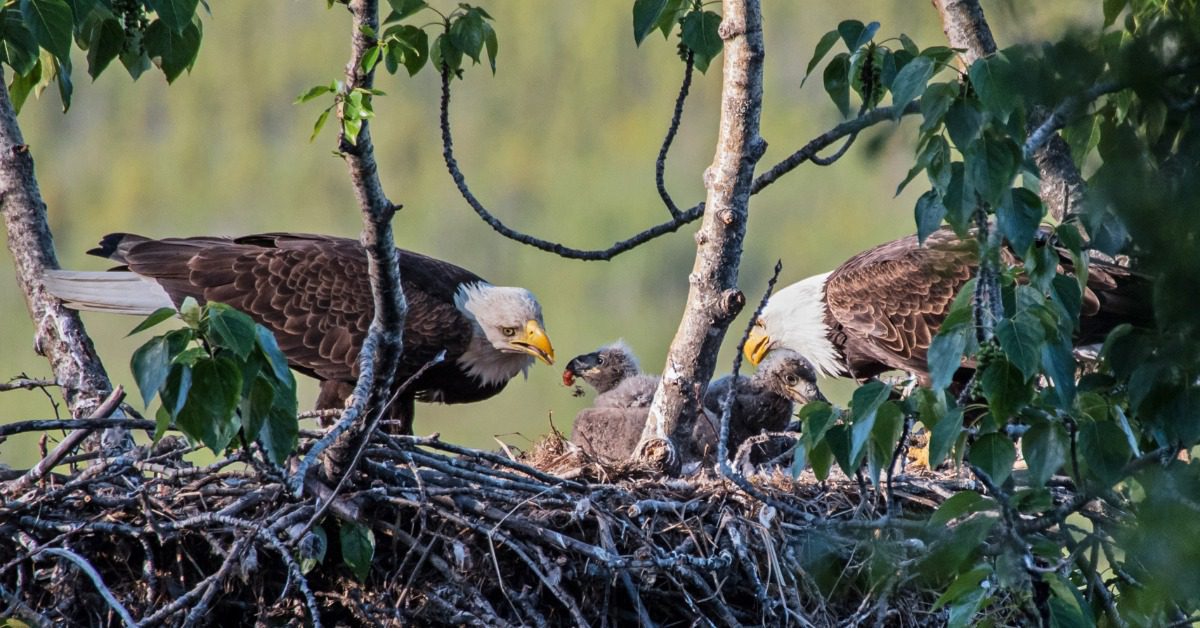
During winter, eagles tend to gather in areas with consistent food access, particularly where current or water depth concentrates fish. Open stretches of river become focal points, especially when surrounding areas freeze over.
These conditions make winter one of the most reliable times to observe multiple birds within a relatively small area, although weather conditions may limit access to certain sections of the canyon.
Identifying Nesting and Perching Behavior
Recognizing eagle behavior increases the chances of spotting them before they take flight. Perched eagles tend to choose elevated positions with clear views of the river, allowing them to monitor movement below. They sit on large branches, cliff ledges, and isolated trees, for some of their more common locations.
Eagles typically build large nests high above the ground and reuse them year after year. Observing repeated activity in a single area can indicate an active nesting site, although maintaining distance is important to avoid disturbance.
River Sections Known for Frequent Activity
Certain stretches of the Snake River consistently produce higher levels of eagle activity due to favorable habitat conditions. Areas with slower-moving water, deeper pools, and accessible shoreline tend to support stronger fish populations, which in turn attract predators.
Narrow canyon sections may also increase visibility, as the terrain naturally concentrates both wildlife and viewing opportunities along the river corridor.
Viewing Eagles Without Causing Disturbance
Maintaining a respectful distance is necessary when observing wildlife in canyon environments. Approaching too closely can disrupt feeding or nesting behavior, especially during sensitive seasons. Keeping noise levels low and avoiding sudden movements can reduce stress on the birds.
Using binoculars or zoom lenses allows for detailed viewing without interfering with natural activity. Responsible observation protects wildlife and increases the likelihood of longer, uninterrupted sightings.
Maintaining Safe Observation Distance
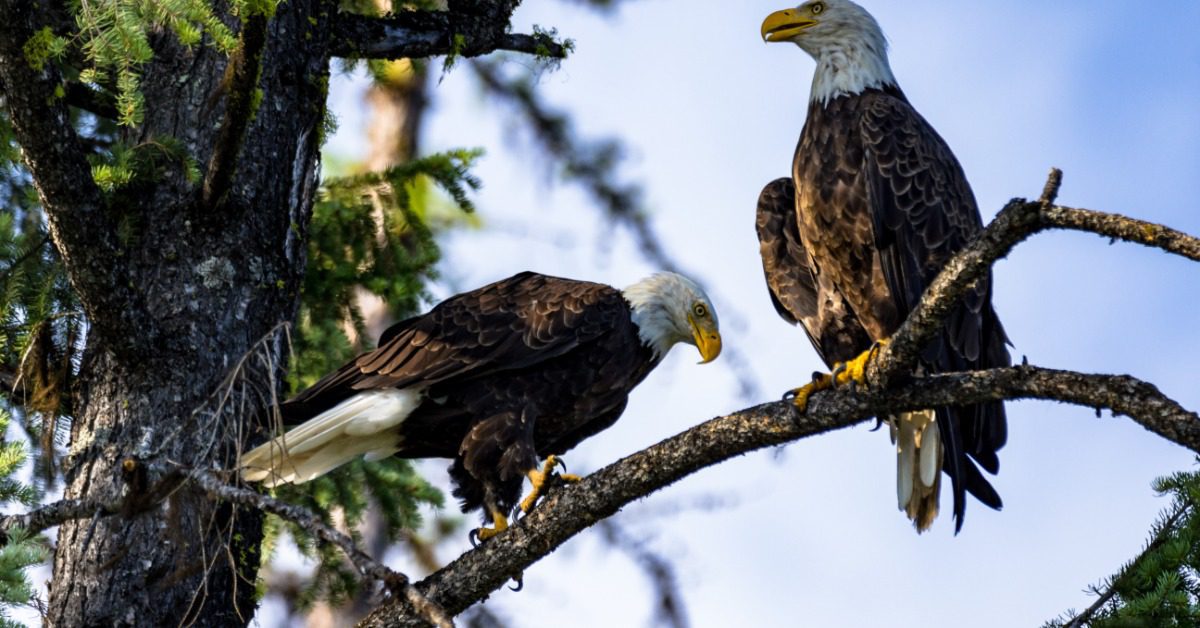
Safe observation distance varies depending on the situation, but a general rule involves giving eagles enough space to remain undisturbed. If a bird reacts by moving away or changing behavior, it can signal that the observer is standing too close.
Positioning from a stable location on the water or shoreline allows for consistent viewing without the need to approach further.
Photography Tips for Capturing Eagles
Photographing bald eagles in canyon environments requires both timing and awareness of lighting conditions. Early morning and late afternoon provide the best natural light, especially when canyon walls create shadows across the river.
Fast shutter speeds help capture movement during flight, while steady positioning improves image clarity in changing conditions. Anticipating where eagles may take off or land can also improve the chances of capturing more dynamic shots.
Managing Light in Canyon Environments
Canyon walls can create strong contrasts between light and shadow, particularly during midday hours. Adjusting camera settings to account for these changes can prevent overexposed or underexposed images. Plus, watching how light shifts across the river throughout the day can guide positioning for better results.
What To Bring for a Comfortable Viewing Experience
Spending time observing wildlife along the river requires basic preparation for changing conditions. Use layered clothing to adjust to temperature shifts, even during cooler months. Stable footwear also supports safe movement when stepping onto uneven shoreline areas. Bringing simple equipment, such as binoculars, cameras, and secure storage for personal items, allows visitors to focus more on the experience.
Experiencing Bald Eagles on Guided River Excursions
For visitors unfamiliar with canyon terrain, guided outings provide a structured way to access areas where eagle activity is more common. Experienced operators understand how river conditions, seasonal timing, and habitat features influence wildlife movement, which helps improve the chances of sightings.
On Snake River tours, guides can navigate sections of the river known for consistent activity while maintaining safe distances that protect both passengers and wildlife. This combination of access and awareness allows visitors to experience eagle viewing without disrupting the environment.
Observing Eagles Adds Depth to the Canyon Experience
Spotting bald eagles along the Snake River adds a distinct layer to any canyon visit, connecting the landscape with the wildlife that depends on it. Watching these birds in their natural environment highlights the balance between river systems, food sources, and habitat conditions that support their presence.
For visitors who want a closer look at canyon wildlife, guided trips with River Adventures Inc. offer access to remote stretches of the Snake River where eagle activity is more common. With experienced captains navigating the river and pointing out key habitat areas, the experience becomes less about searching and more about observing these birds in a setting that highlights how they interact with the landscape.
Recent Comments