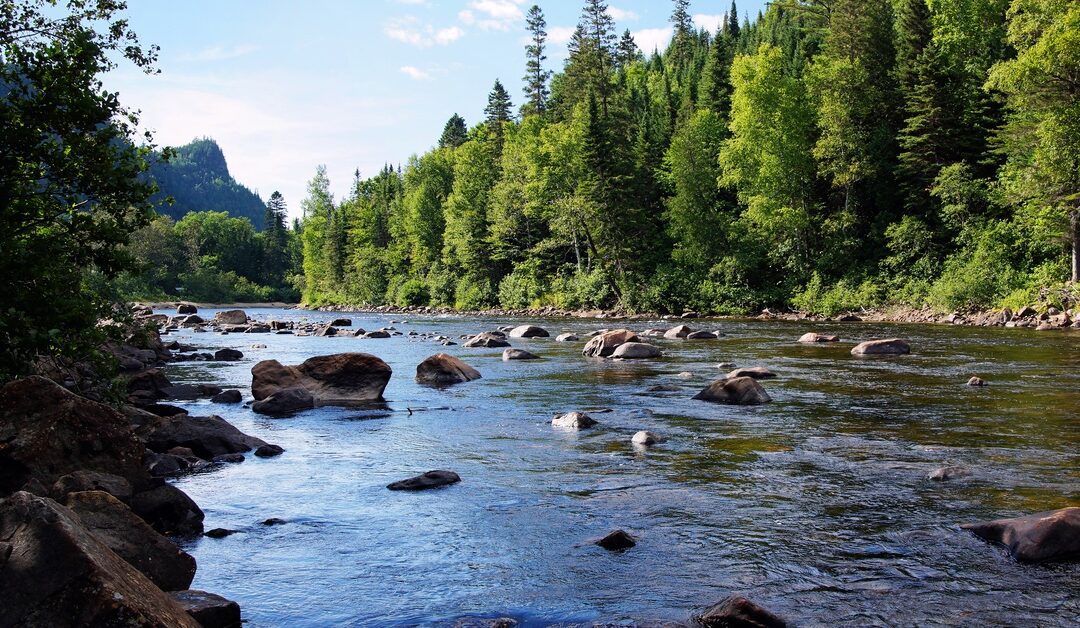
Life along Idaho’s remote river corridors has long been shaped by individuals who adapted to isolation, rugged terrain, and limited resources. Among those figures, one story continues to stand out for its resilience and lasting cultural presence. Set against the backdrop of narrow canyons and shifting river conditions, her experience reflects a life built through persistence.
The story of Polly Bemis is about a trailblazing Chinese American heroine whose daily survival depended on navigating both environmental challenges and social barriers. Her connection to the Salmon River region remains tied to a broader history that still influences how people experience these remote areas today.
Early Life and Journey to Idaho
Polly Bemis was born in China during the mid-19th century, at a time when political and economic instability shaped many life paths. As a young girl, she was sold into servitude and eventually brought to the United States, where she was later won in a card game by a miner working in Idaho. This transition placed her in a completely unfamiliar environment, far removed from her early life and cultural roots.
Despite these circumstances, she adapted to life in the American West, where mining communities formed along river systems and remote settlements depended on trade routes for survival. Her arrival in Idaho marked the beginning of a life shaped by both hardship and gradual independence.
Life Along the Salmon River
Polly eventually gained her freedom and married Charlie Bemis, a miner who lived along the Salmon River. Together, they established a homestead in a remote section of the canyon, where access depended largely on river travel. Their location required constant adaptation, as supplies, communication, and travel all revolved around the river’s conditions.
Living in this environment meant developing practical skills tied to the land, including fishing, gardening, and maintaining a self-sufficient household. Over time, their homestead became a known stop for travelers moving through the region, which connected their isolated life to a broader network of movement along the river corridor. As more people passed through, the location shifted from a private residence into a recognizable point along the route where travelers exchanged stories, supplies, and information.
Cultural Presence in Remote Canyon Communities
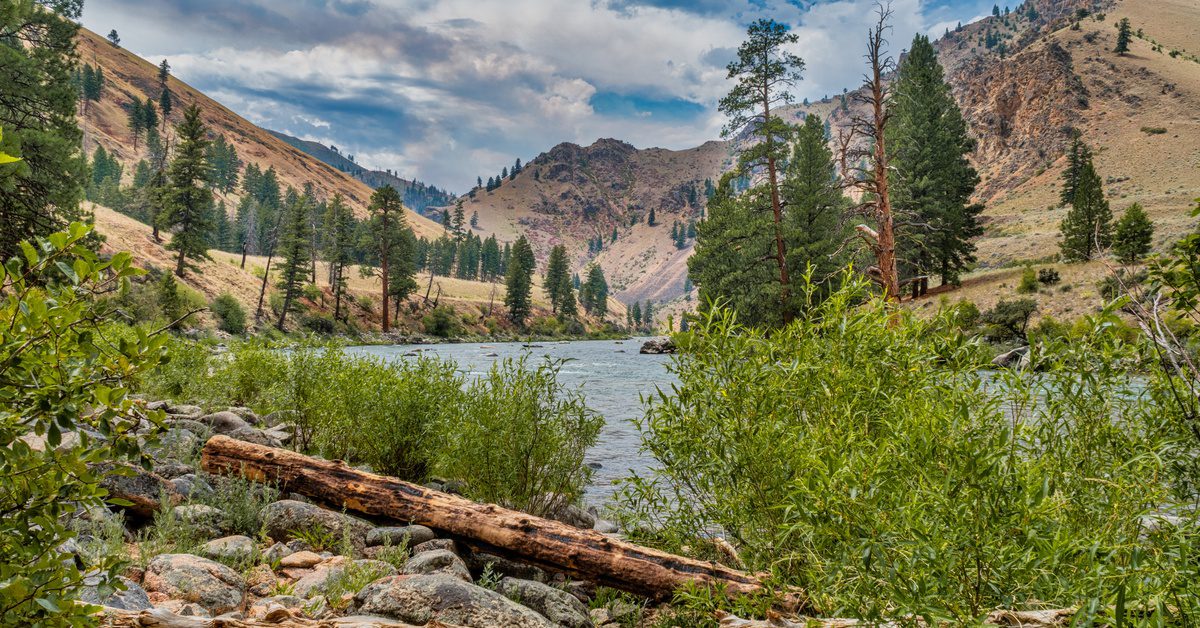
Polly Bemis became a well-known figure in the region due to her role within the small communities scattered along the river. Her background set her apart in an area with limited diversity, yet she developed strong relationships with neighbors and travelers alike.
Stories of her hospitality and resilience circulated among travelers, contributing to a reputation that extended beyond her immediate surroundings. These accounts provide insight into how individuals shaped social connections in areas where formal communities were sparse and often transient.
Daily Life and Survival in Isolation
Life in such a remote setting required constant attention to changing conditions, especially those tied to the river. Seasonal shifts influenced everything from food availability to transportation, which meant that routines had to remain flexible. Polly’s ability to manage these challenges reflected a deep understanding of the environment and the limitations it imposed.
Rather than relying on outside systems, daily life depended on resourcefulness and careful planning. This approach allowed her to maintain stability in a setting where unexpected changes could quickly disrupt normal patterns. Tasks that might seem routine elsewhere, such as preparing food or maintaining shelter, required more effort due to limited access to materials and assistance, which made consistency itself an achievement.
Connection to River Travel Routes
The Salmon River served as a primary route through the region, connecting isolated homesteads to supply points and neighboring communities. Polly’s home became part of this network, where travelers occasionally stopped while navigating the river. These interactions reinforced the importance of river-based travel long before modern access routes developed.
Today, many of these same pathways are still used, though they are now experienced through guided travel. Movement along the river continues to reflect the same geographic constraints that shaped earlier settlement patterns.
Isolation and Resilience in Canyon Terrain
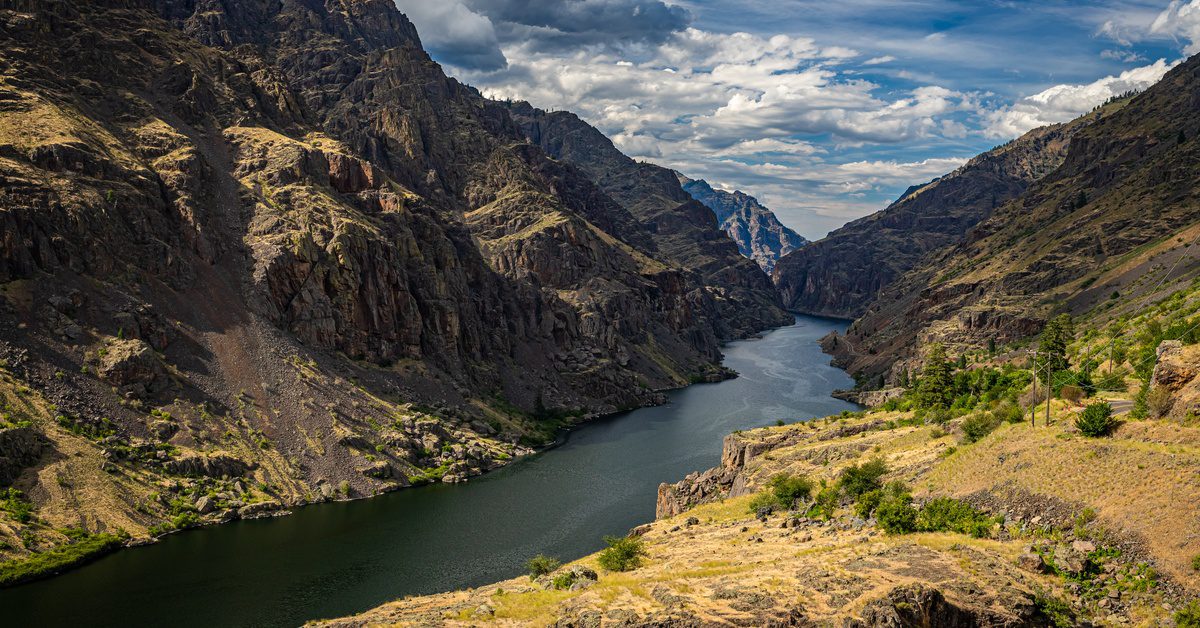
The terrain surrounding the Salmon River created natural barriers that limited movement and communication, which shaped how residents approached both daily life and long-term planning. Steep canyon walls, fluctuating river conditions, and seasonal weather patterns all contributed to a sense of separation that extended beyond physical distance.
Within this setting, resilience developed through experience, as adapting to the environment became necessary for survival. Polly’s ability to navigate these conditions reflected a familiarity with the land that went beyond necessity, allowing her to live with a degree of stability despite the challenges surrounding her.
Preservation of Her Story Today
Polly Bemis’s legacy remains tied to the land where she lived, with her homestead preserved as a historical site along the Salmon River. Visitors who reach this area encounter a landscape that still reflects the isolation she experienced, offering a clearer understanding of how daily life unfolded in that setting.
Efforts to preserve her story focus on maintaining both the physical location and the historical context surrounding it. This allows her experience to remain connected to the environment that defined it. In many ways, the setting itself continues to communicate aspects of her life that written accounts alone cannot fully convey.
Visiting Historical Sites Near the River
Reaching locations connected to Polly Bemis requires navigating terrain that remains difficult to access by road, which reinforces how remote her life once was. Many visitors approach these sites through guided river travel, following routes that mirror the paths once used for movement and supply.
Some of the best Hells Canyon jet boat tours provide access to areas near her homestead, allowing visitors to experience the landscape from the same vantage point that shaped daily life along the river. This perspective creates a more direct connection to the setting, where distance, terrain, and river conditions still define the modern experience.
A Lasting Presence Along the River
The story of Polly Bemis reflects a life shaped by adaptation, independence, and connection to a challenging environment. Her experience along the Salmon River continues to stand as part of Idaho’s broader history, where individual lives were closely tied to the land and the limitations it imposed.
For those interested in seeing the landscape that defined her story, River Adventures Inc provides access to remote sections of the river where history remains closely tied to this place. Experiencing Polly Bemis’s story as a trailblazing Chinese American heroine offers a clearer sense of how her life unfolded within the canyon itself.
Recent Comments