
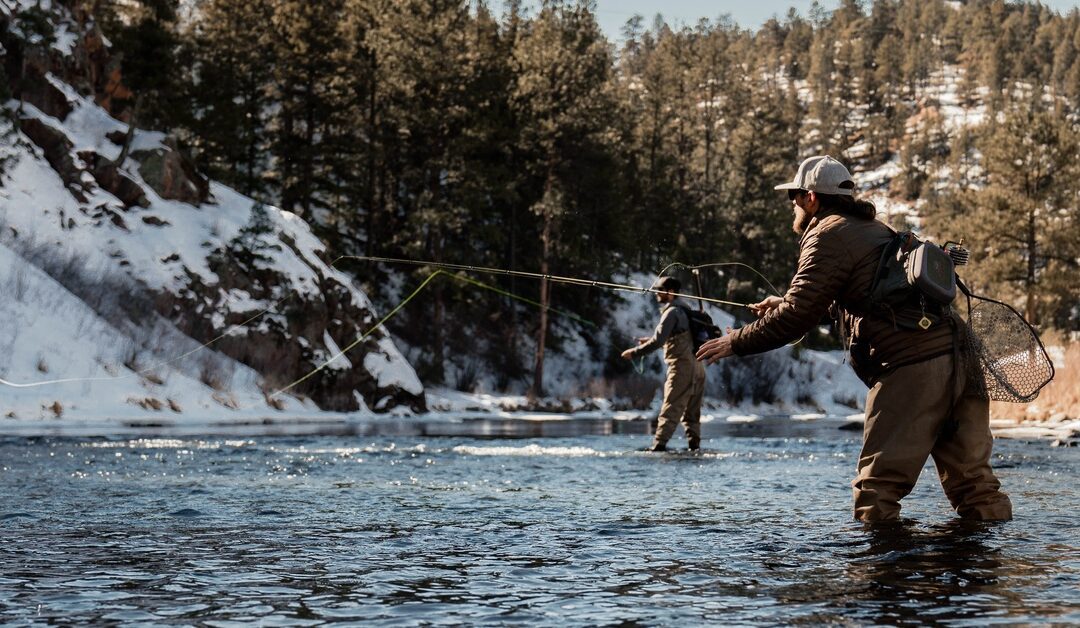
Winter paints the riverbanks in breathtaking shades of white and grey, but beneath the icy surface, a vibrant battle awaits. Anglers know that the cold season offers some of the most rewarding opportunities to land a legendary catch, provided you brave the elements with the right strategy. Create a great experience with tips on how to fish for steelhead during winter months to help you turn a chilly day into an unforgettable adventure.
Dress for Success and Warmth
Nothing ruins a fishing trip faster than shivering fingers and wet socks, so layering becomes your best defense against the biting cold. Start with a base layer that is a moisture-wicking material to keep sweat away from your skin, next add a middle layer like fleece which insulates you, and finish with an outer layer that is water resistant. This combination traps heat efficiently while ensuring you stay dry even if the weather takes a sudden turn for the worse.
Don’t neglect your extremities, as they are the first to feel the chill when standing in icy waters. Invest in high-quality neoprene gloves that allow for dexterity, and wear thick wool socks inside insulated waders. When you feel comfortable and warm, your focus remains entirely on the line, increasing your chances of detecting that subtle tug.
Master the Art of Drift Fishing
Drift fishing stands as one of the most effective techniques when fishing for steelheads in the winter, allowing your bait to move naturally with the current. The goal involves bouncing your weight along the river bottom at the same speed as the water flow. This natural presentation convinces wary fish that your line is just another tasty morsel drifting by, triggering their instinct to strike.
You need to feel the bottom without snagging constantly, so adjust your weight for the area you are fishing. Start light and add split shots until you feel a consistent “tick-tick” against the rocks. When you master this rhythm, you distinguish between a stone and a bite, leading to more fish caught and less frustration.
Seek Out the Slow, Deep Pools
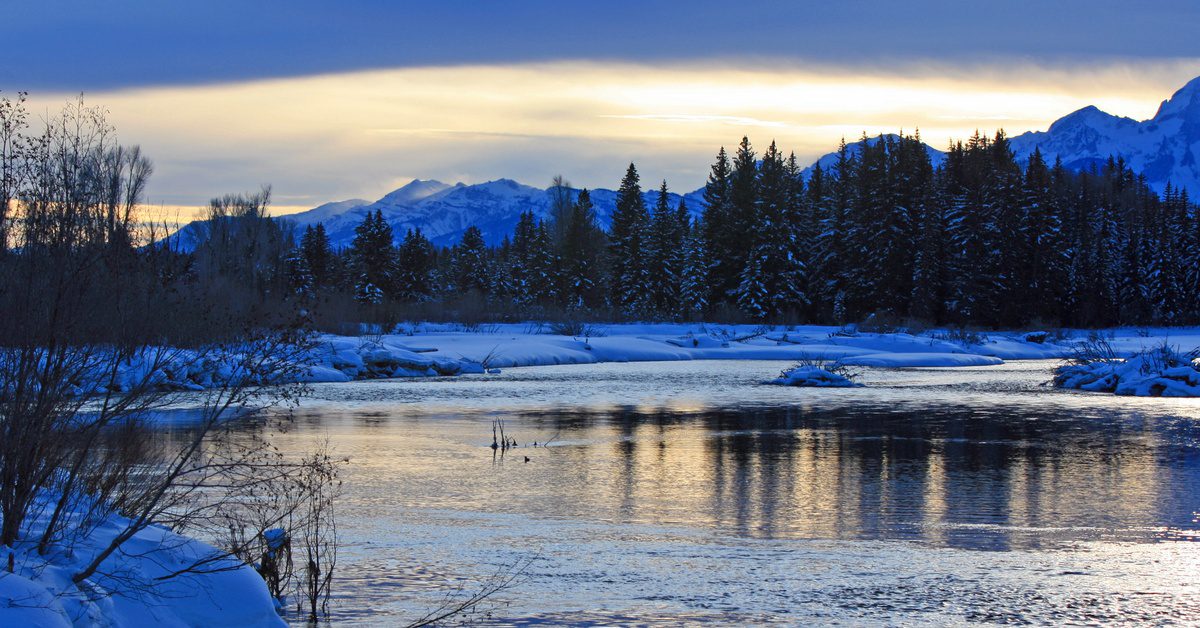
Steelhead conserve energy when water temperatures drop, retreating to the slower, deeper sections of the river. These pools provide a sanctuary where the current is manageable, allowing the fish to hold their position without fighting the heavy flow. Targeting these “soft” water areas dramatically increases your odds of finding a school of resting fish.
Look for seams where fast current meets slower water, indicated by a distinct line on the surface. Cast your line into the fast water and let it swing into the slower holding water. These transition zones act as prime real estate for steelhead looking for an easy meal.
Understanding Water Reading
Reading the water effectively turns an average day into a spectacular one. You want to identify structure like submerged boulders or logs that break the current’s force. Steelhead love to sit behind these obstacles to rest, making them perfect targets for a well-placed cast.
Time Your Trip for Warmth
Unlike summer fishing, the crack of dawn isn’t always the prime time for winter steelhead action. Fish become more active as the sun climbs higher and warms the water. Plan your outing for late morning or early afternoon to coincide with the temperature rise.
This midday window also offers better visibility, helping you spot holding water and manage your line more effectively. The sun’s rays penetrate the depths, sometimes triggering fish to move and feed more aggressively. Plus, enjoying a few hours of winter sunshine makes the entire experience much more pleasant.
Go Natural with Your Colors
Crystal clear winter water demands a subtle approach, as bright, unnatural colors can spook cautious fish. Stick to baits and lures in shades of pink, orange, or natural egg colors that mimic the steelhead’s diet. These tones blend with the environment while offering enough contrast to catch a hungry fish’s eye.
If the water is slightly murky due to rain or snowmelt, you can switch to brighter colors like chartreuse or hot pink. The key lies in adapting to the conditions you face on the river that day. Always carry a variety of options so you can adapt quickly if your first choice isn’t producing results.
Slow Down Your Presentation
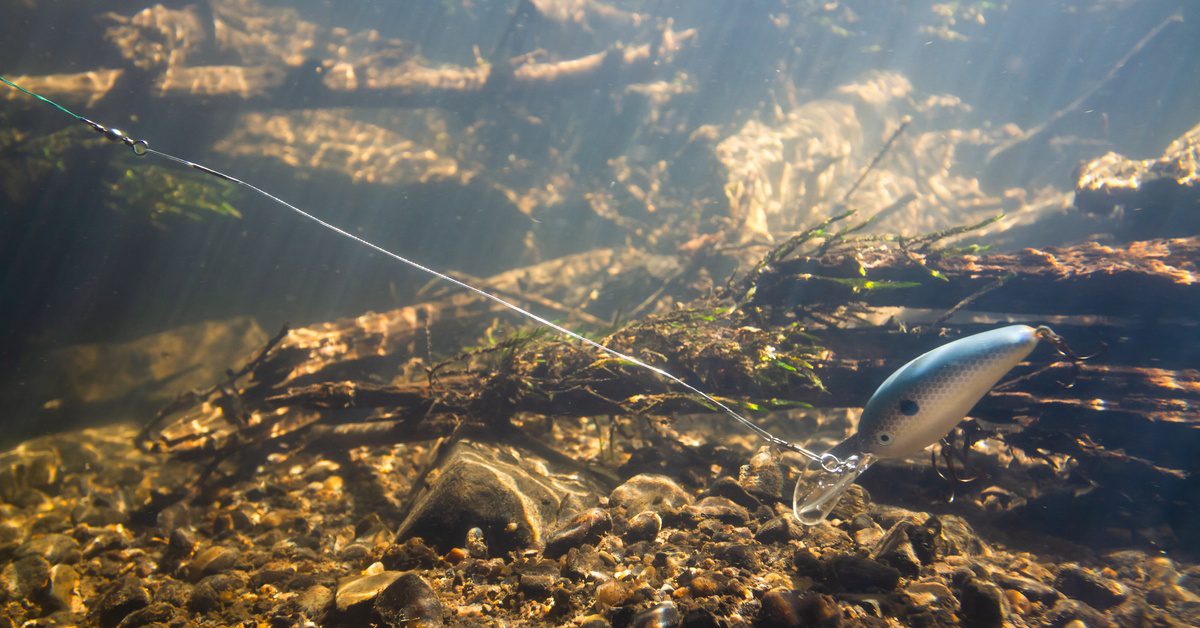
Cold water slows down a fish’s metabolism, meaning they won’t chase a lure moving at high speed. You must slow your presentation down to a crawl, practically putting the bait right on their nose. A slow, methodical drift gives a lethargic steelhead enough time to decide to eat without expending too much energy.
Patience is your greatest ally here, as you might need to drift the same run multiple times, make slight adjustments to your depth, or casting angle with each pass. Sometimes, simply annoying a fish with repeated, slow presentations is enough to provoke an aggression strike.
The Power of Persistence
Winter fishing tests your mental fortitude as much as your angling skills. You might cast for hours without a bump, only to have the river explode with action in the final hour. Staying positive and persistent keeps you fishing despite the momentary instances of quiet and calm.
Hire Professional Local Guides
Navigating icy rivers is dangerous and tricky for those unfamiliar with the specific terrain and seasonal patterns. Expert Idaho steelhead fishing guides possess intimate knowledge of the river’s ever-changing conditions. They know exactly where the fish hold during different water levels, saving you hours of searching.
Experiencing a guided trip also provides a fantastic learning opportunity where you can absorb new techniques and local secrets. These pros handle boat navigation and safety, letting you focus on fishing. It turns a challenging winter expedition into a safe, educational, and thrilling adventure.
Check Your Gear Constantly
Ice buildup on your rod guides is a common nuisance that can damage your line and ruin a cast. Check your guides frequently and gently clear away any ice to keep your line moving smoothly. A frozen guide can snap your line instantly when a heavy steelhead makes a run.
Also, inspect your leader and hooks regularly, especially after snagging the bottom or fighting a fish. Sharp rocks dull hook points quickly, and a dull hook can result in a lost fish. Keeping your gear in top shape prepares you for when that trophy steelhead finally decides to bite.
Embark on Your Next River Adventure
The thrill of battling a steelhead in the serene beauty of winter creates memories that last a lifetime. While the cold presents challenges, the reward of holding that shimmering, powerful fish makes every frozen finger worth it. Use these tips on how to fish for steelhead during winter months to inspire you to grab your waders and hit the water with confidence.
Experience the best fishing Idaho has to offer and contact River Adventures Inc. Today. Book your guided winter fishing trip and let us take you straight to the action!
Recent Comments