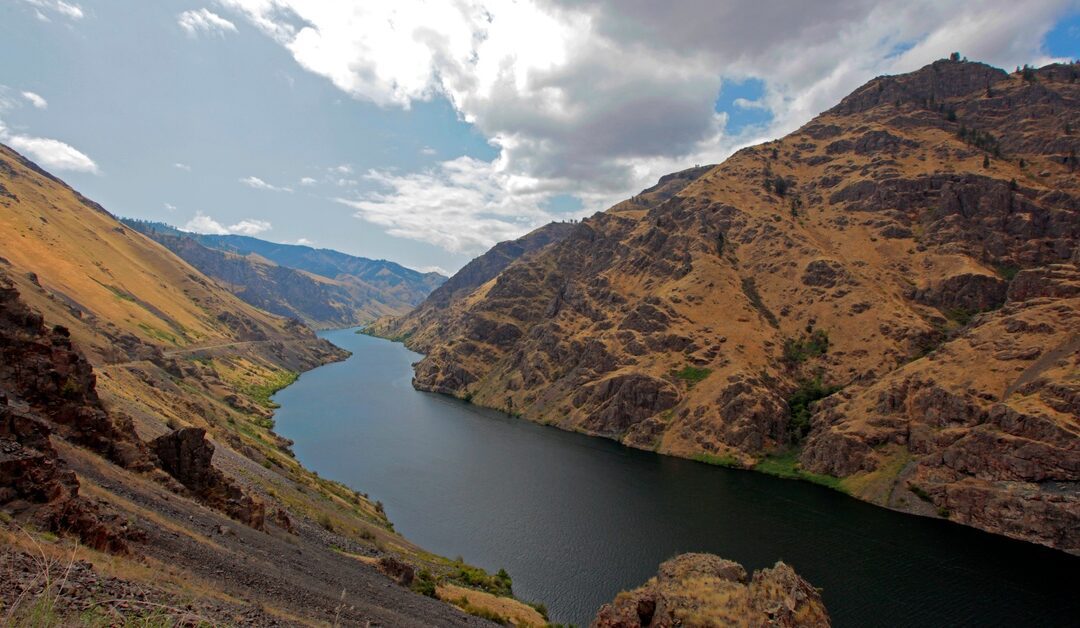
Canyon landscapes feature dramatic cliffs, powerful river systems, and wildlife habitats that have remained largely unchanged for generations, drawing visitors to the massive scale and remote character of places like Hells Canyon. Because these environments remain relatively untouched, they depend on careful interaction to remain healthy and accessible. Understanding the best practices for eco-friendly exploration of a canyon can protect shoreline vegetation, nesting areas, and aquatic ecosystems while still allowing people to experience the river fully.
Why Responsible Canyon Travel Matters
Canyon ecosystems function through a balance of water flow, sediment movement, and seasonal wildlife cycles. When erosion, litter, or excessive shoreline traffic disrupts that balance, the ecosystem may take years to recover. Unlike urban parks, remote river corridors do not have built-in infrastructure to absorb heavy impact. What appears minor in the moment may contribute to long-term habitat degradation.
In Hells Canyon, steep terrain limits the amount of usable shoreline, which means visitor activity concentrates in small areas. When pressure builds in those locations, vegetation that stabilizes soil and filters runoff into the river can weaken or disappear altogether. As a result, responsible travel habits influence the preservation of both water quality and the scenic integrity visitors expect from canyon landscapes.
Respecting Wildlife From a Safe Distance
Wildlife thrives in canyon systems where limited development and expansive habitat provide undisturbed shoreline and cliffside nesting zones for species such as bald eagles, bighorn sheep, and river-dependent fish. Approaching too closely can interrupt feeding routines or displace animals from secure areas.
Observing wildlife from a respectful distance can protect natural behavior patterns and reduce unnecessary stress on animals that depend on stable feeding and resting areas. Binoculars and zoom lenses allow for detailed viewing without forcing animals to deal with a human presence. Remaining patient and quiet increases the likelihood of authentic wildlife encounters, particularly in canyon environments where animals are highly sensitive to sudden noise or movement.
Minimizing Disturbance During Sensitive Seasons

Seasonal awareness influences responsible canyon travel because wildlife activity shifts dramatically throughout the year. While spring brings nesting birds and increased fish movement, late fall and winter tend to concentrate different species along the river corridor. Disturbances during these periods may interrupt breeding success or alter migration timing, particularly in sensitive habitat areas.
Before launching, reviewing seasonal guidelines helps visitors adjust expectations and plan travel routes more carefully. By respecting temporary closures or wildlife advisories, travelers can maintain ecological stability while preserving long-term recreational access to canyon environments.
Protecting Riverbanks and Shorelines
Riverbanks act as natural anchors within canyon environments, where vegetation stabilizes soil and prevents erosion during fluctuating water levels. When shoreline plants are repeatedly trampled or removed, sediment can wash into the river, affecting aquatic habitat and clarity.
Using established launch points and approved landing areas reduces strain on fragile banks. When stepping ashore, distribute weight carefully and avoid dragging equipment across rooted plants. These habits may seem minor, yet they preserve structural integrity in narrow corridors with sparse vegetation.
Reducing Waste on Remote River Trips
Because remote river stretches lack trash receptacles or waste infrastructure, every item brought into the canyon must leave with the visitor at the end of the trip. Food packaging, disposable containers, and even biodegradable scraps can attract wildlife or alter natural feeding behavior. Carrying sealed storage for trash prevents accidental loss during boat travel.
Reusable bottles, durable containers, and minimal packaging reduce waste while also limiting loose materials that could enter the river during high winds or sudden boat movement.
Preparing Before You Launch
Preparation supports both safety and environmental responsibility, since reviewing weather forecasts, monitoring water conditions, and organizing gear storage reduces the likelihood of emergency stops in unplanned areas.
Creating a clear checklist before departure assists with remembering normally forgotten items that might otherwise require unnecessary returns to shore or additional stops along fragile riverbanks. Careful planning improves efficiency and reduces environmental impact throughout the trip.
Preventing Fuel and Oil Contamination
Fuel handling requires particular care in narrow canyon corridors, where securing containers, checking caps, and refueling only in appropriate locations contains substances that could affect water quality. Careful equipment maintenance supports both safety and long-term river health.
Understanding Local River Regulations
River regulations protect sensitive species while maintaining sustainable recreation, which is why certain fish populations in Hells Canyon require catch-and-release practices to safeguard long-term viability. Anglers must release sturgeon after capturing to preserve their slow-growing population.
Licensing and permitted operations also regulate how visitors access remote sections of river. Following posted guidelines protects habitats while ensuring equitable use among anglers, wildlife viewers, and scenic travelers.
Choosing Low-Impact Ways To Experience the Canyon
Structured access through licensed operators reduces environmental strain by concentrating travel at designated launch sites instead of dispersed shoreline entry points. Experienced captains understand navigation routes that avoid shallow habitat zones and sensitive areas.
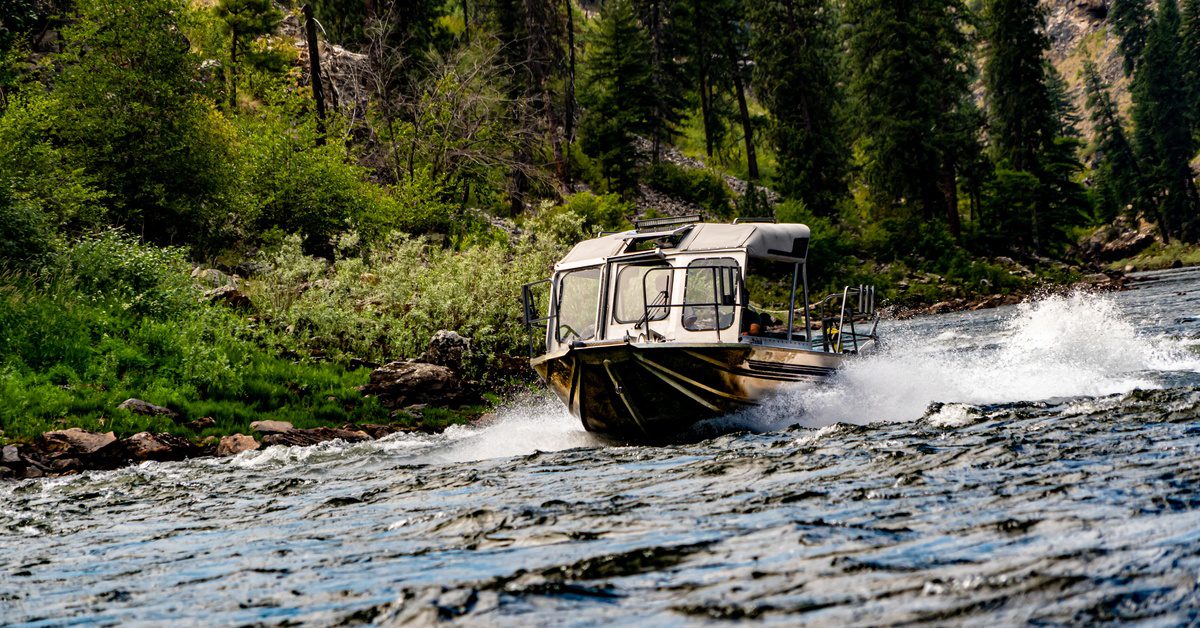
For many visitors, Hells Canyon, Idaho jet boat tours provide efficient access to remote stretches of river without requiring multiple vehicles or improvised landings. Concentrated travel along established routes protects vegetation while maintaining a smooth flow of river traffic.
Supporting Conservation Through Responsible Recreation
Local communities in North Central Idaho rely on healthy river systems for both ecological stability and economic vitality, particularly in regions where tourism and outdoor recreation support local businesses. Responsible visitation helps sustain those economies while reinforcing the long-term value of environmental preservation. When recreation aligns with stewardship, both residents and visitors benefit.
Visitors who understand the environmental complexity of canyon systems often become advocates for continued protection. Education and firsthand experience foster appreciation that extends beyond a single trip.
Planning for Sustainable Travel
Sustainable canyon travel begins well before arriving at the river, starting with thoughtful planning and awareness of the surrounding environment. Researching access points, understanding distance from nearby towns such as Riggins or Lewiston, and reviewing weather patterns all contribute to a smoother experience. Awareness reduces last-minute decisions that can unintentionally affect sensitive areas.
Packing appropriately for temperature shifts within canyon walls also limits the temptation to make unnecessary shoreline stops. With thoughtful preparation, visitors spend more time appreciating the landscape and less time correcting avoidable oversights.
Responsible Exploration Enhances the Experience
Eco-conscious travel strengthens the experience by preserving clear water, stable shorelines, and thriving wildlife populations that make canyon landscapes memorable. When visitors approach canyon landscapes with care and awareness, they help preserve the very qualities that make these environments remarkable in the first place.
Planning thoughtfully, following regulations, and choosing guided access points allows travelers to experience remote river corridors without leaving unintended damage behind. For visitors interested in seeing the canyon from the water, following the best practices for eco-friendly exploration of a canyon becomes easier with experienced operators like River Adventures Inc, whose guided jet boat trips provide responsible access to remote sections of Hells Canyon.
Recent Comments