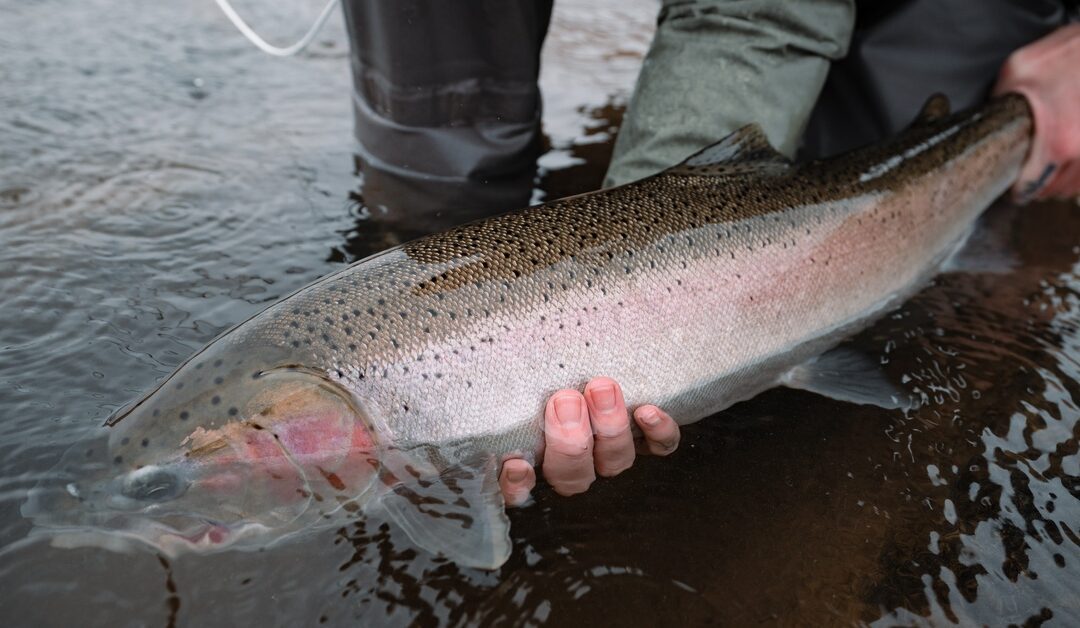
Steelhead fishing in Idaho’s canyon rivers requires an approach that matches the power and unpredictability of moving water. Among the many techniques anglers use, drifting remains one of the most reliable ways to present bait naturally in a current. The method allows anglers to work with the river, keeping offerings in the strike zone longer. In what is drifting & why it works for steelhead trout, the focus centers on how subtle presentation and current awareness combine to trigger strikes in deep, fast-moving runs.
What Drifting Means in Steelhead Fishing
Drifting involves allowing bait or a lure to move naturally with the current while maintaining light contact through the rod and line. Instead of aggressively retrieving or pulling against the flow, the angler guides the presentation, so it mimics food carried downstream. Compared to trolling or repeatedly casting upstream, drifting keeps the offering closer to the riverbed where steelheads hold.
Why Steelhead Respond to a Natural Presentation
Steelhead conserve energy by resting in seams where fast and slow currents meet. In these transition zones, they wait for food to pass within easy reach. A properly executed drift allows bait to pass through these holding areas at a natural pace.
When line tension interferes with the flow, steelhead may ignore the presentation. So, maintaining controlled slack and steady depth increases the likelihood of a strike without spooking cautious fish.
Matching Weight to Current Speed
Adjusting weight assists with reaching the correct depth without snagging the bottom structure. Too little weight keeps the bait suspended above the strike zone, while too much can create unnatural drag. River conditions in canyon systems change quickly, meaning anglers can fine-tune weight throughout the day, with subtle adjustments that make a noticeable difference in effectiveness.
Reading Water in Idaho’s Canyon Systems
Insight into current seams, tailouts, and deeper runs help anglers choose productive drift paths. Steelhead commonly holds near drop-offs or behind natural structures that break the current.
Clear water and fluctuating flows demand a sharp eye before you ever make a cast. By positioning your boat or choosing your shoreline stance carefully, you ensure the fly drifts through the most productive water.
Fishing With Experienced Support
While drifting looks simple, mastering the small details separates a successful day from a frustrating one. You must sharpen your boat control, manage your depth precisely, and learn to read subtle strikes within the unique dynamics of canyon rivers.
Many anglers choose to fish alongside Idaho steelhead fishing guides who understand seasonal movement patterns and changing water conditions. Working with experienced support increases efficiency and allows focus on refining techniques.
Refine Your Approach on the Water
Mastering drifting requires patience, observation, and a willingness to adjust based on current speed and fish behavior. For anglers planning a steelhead outing, guided opportunities with River Adventures Inc. provide access to strategic launch points. Exploring what is drifting & why it works for steelhead trout becomes far more rewarding when paired with local knowledge and on-the-water experience.
Recent Comments